
WIUNIX / CYBERSECURITY SERVICES
Cybersecurity engineering for your systems.
Assess selected systems, design practical controls and carry agreed remediation through to verification and operational ownership.
A CLIENT SECURITY ENGAGEMENT
Agree what is being assessed and changed.
A security engagement may start with a configuration concern, an access review, a new application or a planned infrastructure change. We define the selected systems, the questions to answer and the responsibility for remediation before choosing the methods.
Systems and control boundary
Identify the applications, hosts, cloud services, network paths and identities included. Record important dependencies and exclusions so a finding is interpreted within the actual scope.
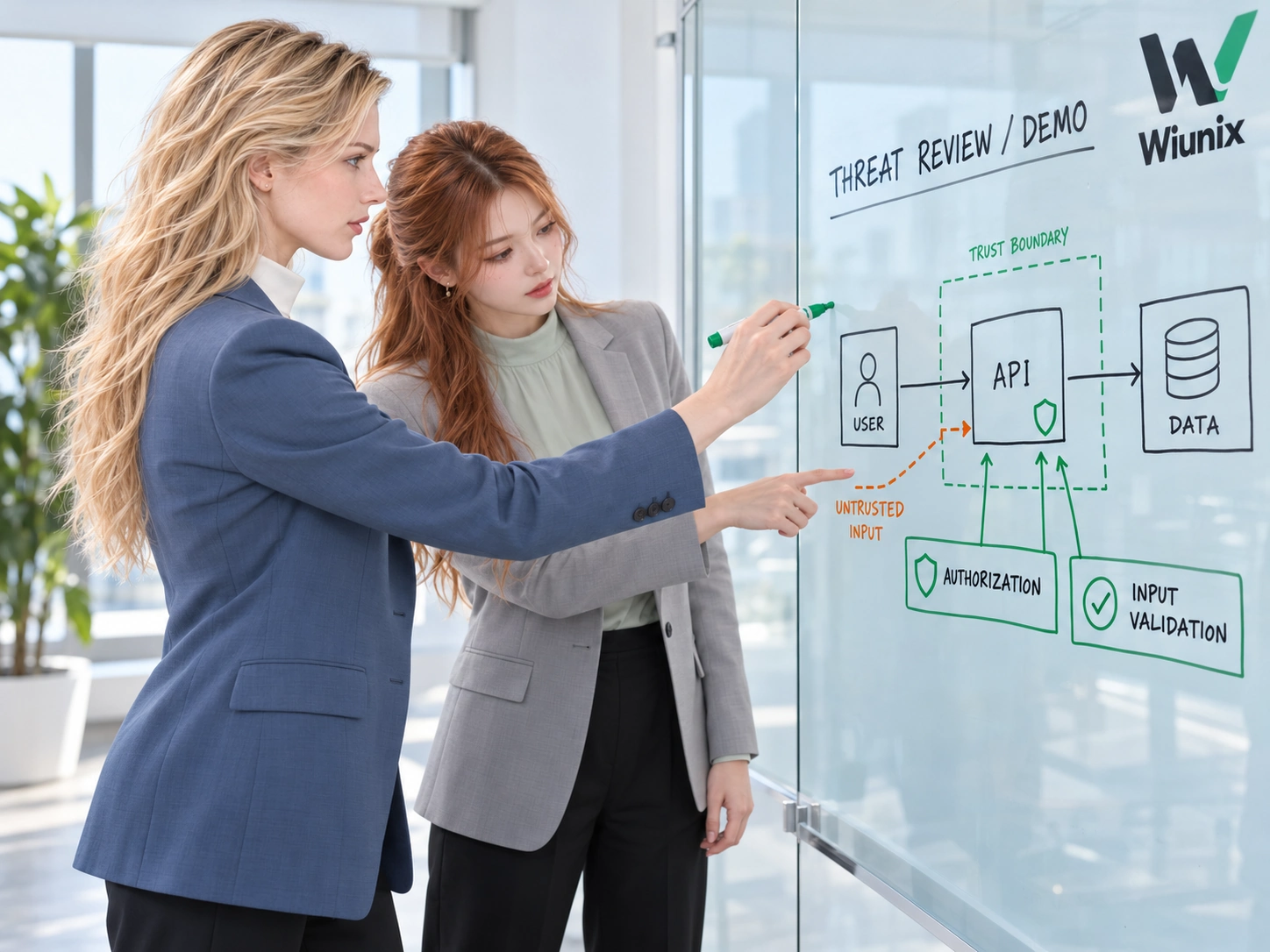
Security architecture should connect trust boundaries, data flows and administrative access to the way the service is operated.
Authorization and working conditions
Agree authorized access, permitted assessment methods, change windows and handling of sensitive evidence. Coordinate any activity that could affect production with the responsible owner.
The scope defines the evidence and deliverables. A limited review is not presented as complete coverage or a compliance certification.
IDENTITY AND ACCESS
Check who can act, where and with which permissions.
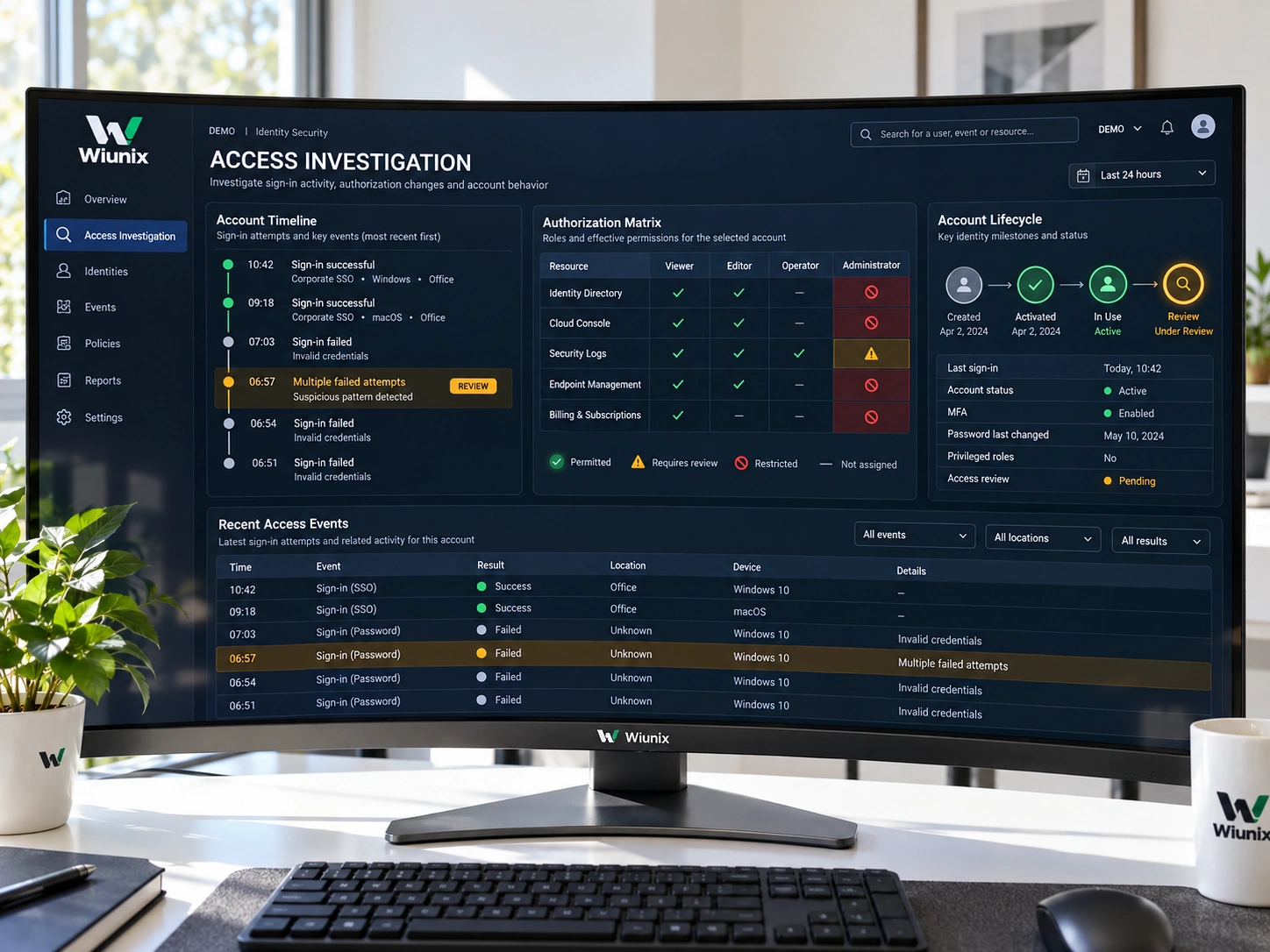
Review authentication, privileged roles, service identities and the lifecycle of accounts. Match permissions to actual responsibilities and separate everyday work from administration where appropriate.
Access that should end
Look for access retained after a role change, unused accounts and unclear ownership. Plan removals or restrictions with the service owner and verify that legitimate work remains possible.
Administrative and recovery paths
Include the agreed login, administration and recovery paths in the review. Make their protections and ownership explicit in the design.
An authentication device is one control. Access policy, account lifecycle and recovery arrangements still need review.
System, network and cloud controls
Review the agreed configuration baseline, exposed services, segmentation, update responsibilities and access to operational data. Hardening changes follow the workload and recovery constraints rather than a one-size-fits-all checklist.
Security Hardening solution →Application controls and secure delivery
Connect input handling, authorization, secrets, dependency review and relevant security checks to application delivery. Prioritize the controls that address the selected application’s real exposure and operating context.
Software Engineering service →Wiunix Aegis
Wiunix Aegis brings asset and identity context, detections and incidents into an organization-scoped security workspace. We can include it where it fits the agreed investigation and operating scope.
Explore Wiunix Aegis →REMEDIATION ENGINEERING
Turn a finding into a controlled change.
A finding should explain the affected condition, why it matters and what evidence supports it. We help prioritize agreed changes around exposure, operational impact and dependencies, then validate the selected remediation.
Some issues need configuration changes; others need application work, access decisions or a change in operating responsibility. Record residual risk and unresolved items rather than treating a completed task as proof that all risk is removed.
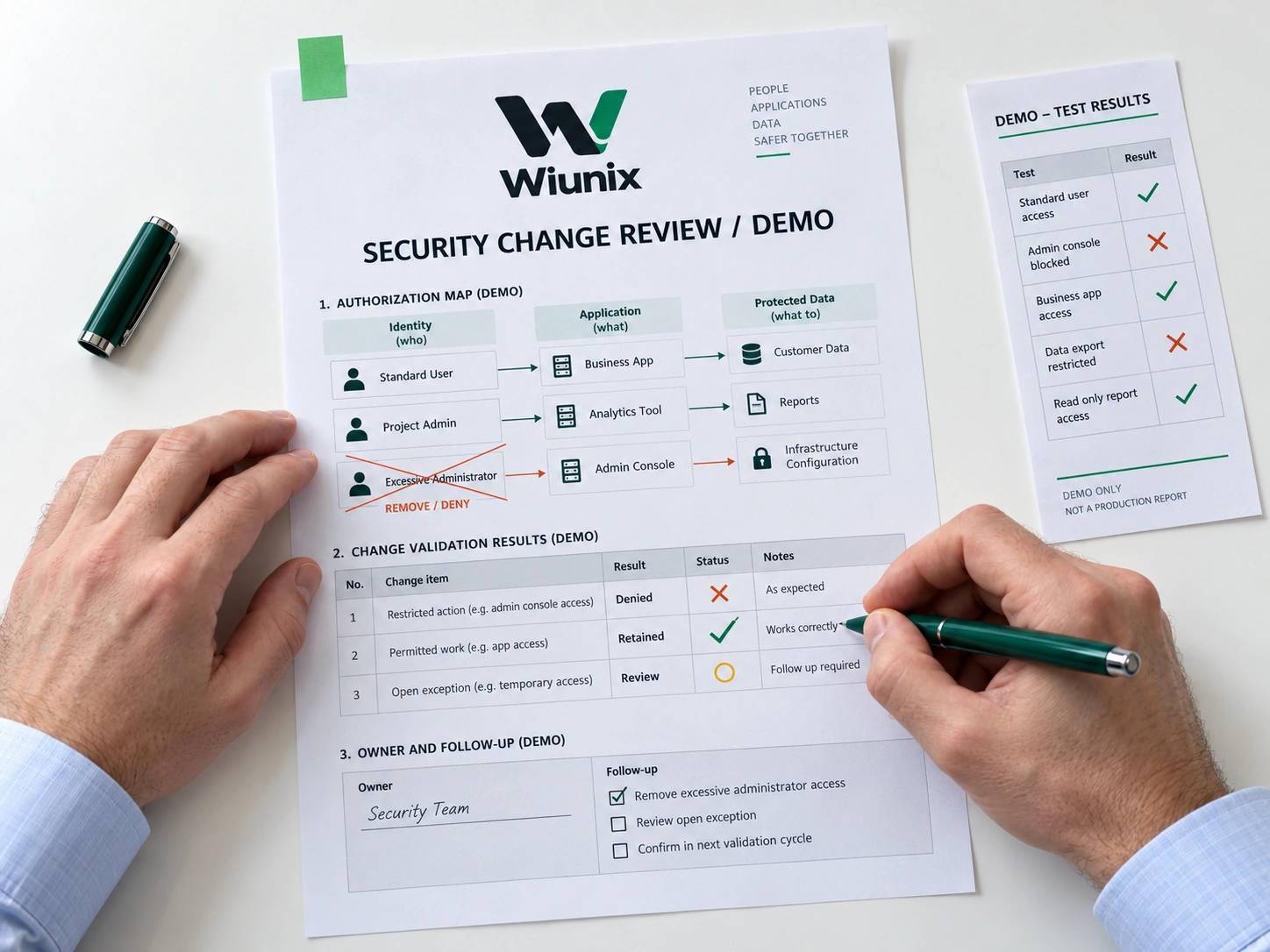
ILLUSTRATIVE REMEDIATION RECORD
A role changed; administrative access remained.
Observed condition: a selected account still holds a privileged role after its operational responsibility changed. This is an example, not a finding from a real customer assessment.
Agreed change and verification
Confirm the account owner and required permissions, approve the role adjustment and check both restricted actions and legitimate operator access. Record remaining dependencies or exceptions with an owner.
A useful record connects the condition, decision, change and evidence; it does not replace the agreed assessment boundary.
EVIDENCE AND OPERATIONAL OWNERSHIP
Keep the controls understandable after handover.
The agreed handover may include scope notes, findings and priorities, configuration or code references, verification results, exceptions and follow-up owners. The operating team should understand how a control is maintained and when it needs review.
Infrastructure & Cloud service →Prepare the service context
Describe the systems, known concerns, important data flows, existing responsibilities and constraints on assessment or change. Share only a high-level summary through the public contact form; sensitive evidence and access are arranged separately.
This page describes security services for client systems.
Wiunix’s own security page →