

WIUNIX / INFRASTRUCTURE & CLOUD
Infrastructure designed for your workload.
Plan, build and modernize servers, networks and cloud environments with migration, recovery and day-to-day operations in view.
UNDERSTAND THE CURRENT ENVIRONMENT
Start with the systems you already depend on.
A useful architecture starts with the workloads, dependencies and constraints already in place. We review the selected estate before recommending a platform, capacity change or migration. The result should explain what can remain, what needs attention and why.
Workload and dependency inventory
Identify application owners, compute and storage needs, network paths, data flows, access requirements and existing backup arrangements. Include legacy dependencies that could affect a change.
Constraints that shape the design
Review service interruption windows, location and connectivity needs, internal policies, licensing and the team’s ability to operate the proposed environment. A technically possible design may still be unsuitable for the operating model.

ARCHITECTURE BEFORE MIGRATION
Choose the foundation around the service.
Private infrastructure, cloud services and hybrid arrangements solve different problems. We evaluate placement, capacity, connectivity, isolation and recovery together; moving everything to one environment is not an automatic goal.
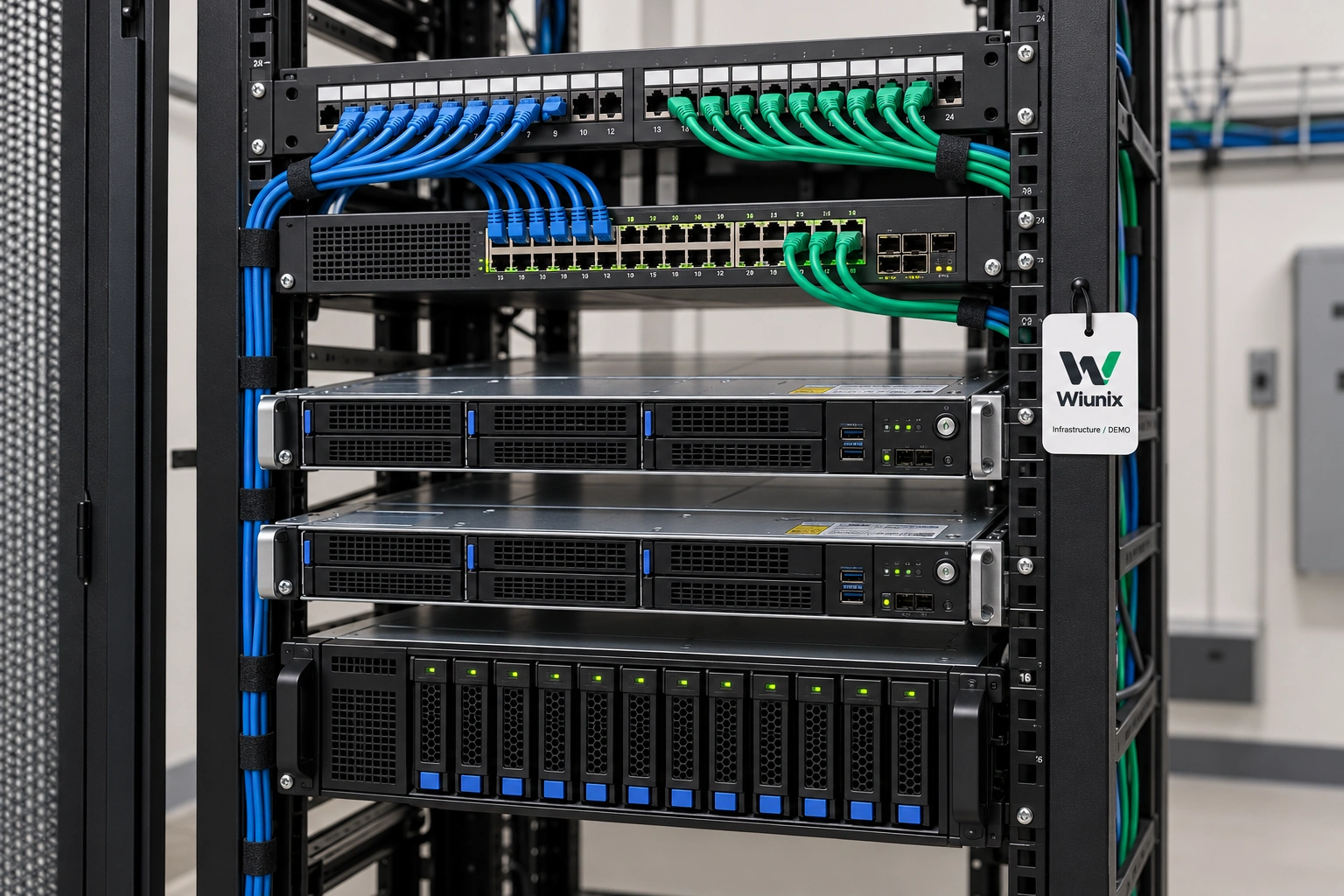
Compute and platform
Server and virtualization design, workload placement, resource allocation and a maintainable operating-system or platform baseline.
Decisions account for workload compatibility, capacity and maintenance requirements.
Networks and access
Addressing, routing, segmentation, service connectivity and administration paths that match the agreed trust boundaries.
Connectivity is checked across applications, dependencies and operator access.
Storage and recoverability
Storage layout, backup scope, retention and restore arrangements designed around the selected data and service needs.
Recovery objectives and restore tests are agreed explicitly, not assumed from having a backup.
Repeatable infrastructure changes
Use automation and infrastructure as code where they improve consistency and reviewability. Keep configuration in controlled source, separate secrets, review proposed changes and preserve a practical recovery path. Tools follow the environment rather than dictate it.
Operate the target from day one
Define health signals, logging, alert ownership, update responsibilities and backup checks alongside the architecture. An environment should be supportable by the people responsible for it, not depend on undocumented setup knowledge.
CONTROLLED MIGRATION
Change a service boundary at a time.
Avoid treating migration as one irreversible weekend. Select a bounded workload, rehearse the relevant checks and agree the cutover and rollback conditions before moving production traffic or data. The sequence depends on the environment and service constraints.
For example, an application move may require target capacity, network routes, data synchronization, credentials and monitoring to be ready together. Passing a server startup check alone does not verify that the application works for its users.
Prepare and validate the target
Confirm capacity, routes, required services and representative functional checks in a safe environment. Record the known limits of the rehearsal.
Agree cutover and rollback gates
Set the change window, owner, communication path, data consistency checks and the conditions that trigger rollback. Avoid competing writes during a data move.
Observe before retiring the old path
Check the user-facing service, dependencies, monitoring and backup behavior after the move. Retire old resources only when the agreed acceptance and retention conditions are met.
STABILIZATION AND HANDOVER
Leave a system your team can maintain.
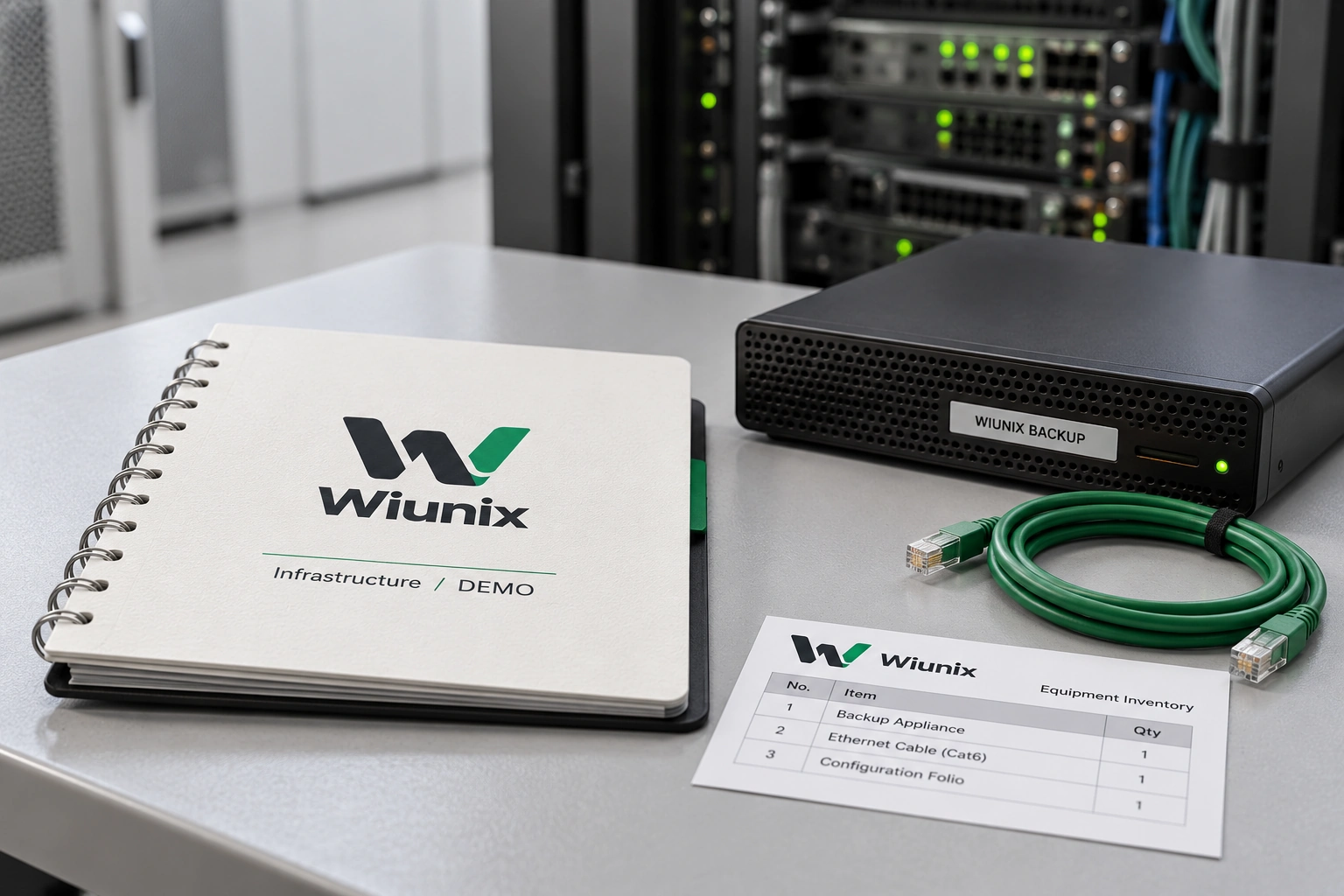
After the agreed change, verify service health and resolve or record remaining issues. Handover connects the target architecture to operating instructions, configuration references and named responsibilities. Ongoing support, if needed, has its own agreed boundary and coverage.
Evidence and operating references
The agreed record may include architecture and dependency notes, configuration references, validation results, recovery procedures, access responsibilities and open actions. Deliverables are selected for the project, not promised as a fixed universal package.
Prepare a high-level service summary
Tell us which workloads are involved, where they run, the problem or intended change and the operational constraints.