

WIUNIX / INDUSTRIES
Technology engineering for your industry.
Infrastructure, software, security and communications for six operating environments. Explore the systems, dependencies and delivery priorities that matter in yours.
Six industries. One engineering resource.
Go directly to your operating context. Each section explains the critical workflows, engineering focus and useful delivery evidence.

FINANCIAL SERVICES
Keep transactions correct. Keep change controlled.
Financial applications depend on more than an available server. Identity, payment providers, databases and reconciliation must agree on what happened, including when a request times out. We help map those dependencies and engineer the infrastructure, software integration and operational controls around them.
TRANSACTION CONTROL

01
Transaction integrity
Trace a request from entry to durable outcome. Review duplicate requests, retries, timeouts and reconciliation so a partial failure does not silently become a second transaction or a missing record.

02
Access and evidence
Separate privileged administration from application access; define service identities, protected secrets and useful audit trails. Retention and review responsibilities follow the agreed data and business requirements.

03
Change and recovery
Plan releases around critical flows, maintenance windows and rollback conditions. Exercise restoration and dependency checks in an isolated environment before relying on a recovery procedure.
Example scope: an API dependency review, access-control matrix and staged release plan, with agreed transaction checks and recovery acceptance criteria.
Security hardening →

HEALTHCARE
Connected systems. A clear boundary around sensitive data.
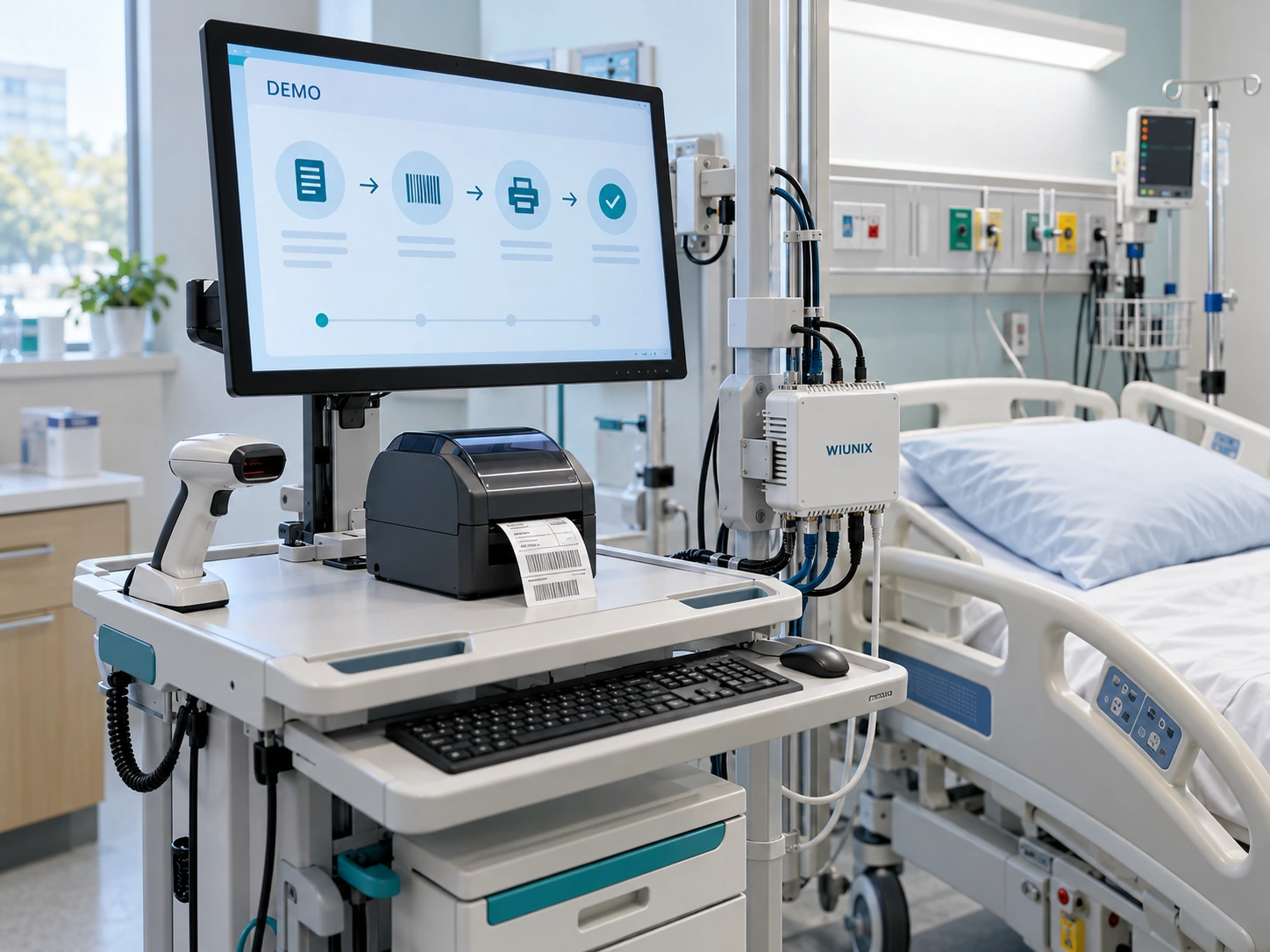
Appointments, clinical records, laboratory results and administrative systems have different owners and access needs. A failure between them can interrupt the work even when each application appears healthy. Our engineering focus is the digital service and its dependencies, with clinical and specialist-system decisions retained by the responsible organization.
SYSTEMS • ACCESS • CONTINUITY
Reliable integration
Map message ownership, identifiers and acknowledgement behavior between approved systems. Make failed transfers visible and define safe replay, reconciliation and escalation rather than silently dropping a result.
Continuity of service
Identify critical workstations, connectivity, authentication and storage. Agree downtime procedures with operational owners and test recovery without using live patient records as test data.
Data boundaries
Review role-based access, encrypted connections and separated environments. Use synthetic or appropriately de-identified samples for authorized integration tests and keep sensitive content out of routine telemetry.
Useful handover: an integration dependency map, access responsibilities, monitored failure paths and a recovery runbook. Existing vendor contracts and clinical safety requirements determine the permitted changes.
Infrastructure & Cloud →
RETAIL & E-COMMERCE

Follow the order beyond the checkout.
A fast storefront is only one part of commerce. Payment confirmation, stock reservation, warehouse updates and customer notifications must stay consistent during promotions and traffic spikes. We connect application behavior to infrastructure capacity and the external services that complete the order.
1
Browse → pay
Identify slow requests, cache boundaries and payment dependencies. Set realistic load scenarios around the actual purchase journey, with safe timeout and retry behavior.
2
Reserve → fulfil
Clarify the source of truth for stock and order state across shop, warehouse and business systems. Review duplicate events, delayed updates and reconciliation after interruptions.
3
Notify → support
Trace delivery of order events and customer messages without exposing payment or personal content in logs. Define alerts for stuck orders and a support path that retains context.

From demand to a verified order
Acceptance evidence can include load-test results for an agreed scenario, replay checks with synthetic orders, dependency alerts and a documented rollback. Targets depend on measured demand and third-party limits.
Software Engineering →
MANUFACTURING
Connect the plant without losing the boundary.
Production sites combine business IT, industrial networks, equipment vendors and edge systems with very different change cycles. We help establish controlled connectivity and useful data flows while keeping machine control, safety decisions and vendor approval with their authorized owners.

Business IT
Controlled gateway
Industrial OT

01
Separate IT and OT
Map production zones, business-system interfaces and remote vendor access. Define allowed paths and maintenance responsibilities before introducing a gateway or changing a network rule.
02
Make edge data dependable
Review collection intervals, buffering, timestamps and recovery after a lost connection. Distinguish monitoring data from commands that could affect equipment or production.
03
Change within the operating window
Plan around site access, approved maintenance and specialist dependencies. Start with authorized passive discovery where appropriate; active scans or control changes require a separately agreed scope.
Handover can include a zone and connection map, edge integration design, approved change sequence and recovery checks. Production safety and machine performance are not inferred from an IT implementation.
Infrastructure engineering →
TELECOM & COMMUNICATIONS
See the service across network boundaries.
A reachable endpoint does not prove a successful call or a usable communications service. Signalling, media paths, DNS, certificates, carrier dependencies and operational telemetry need a shared service view. We help connect these layers to diagnosis, controlled change and recovery.
SIGNAL + MEDIA

Signal and media
Trace registration, call setup and media routing separately. Review NAT, firewall policy and upstream dependencies with the responsible provider; use approved test endpoints and synthetic traffic.
Service assurance
Correlate availability, latency, packet loss and relevant application events. Keep time synchronization and alert ownership clear so symptoms can be followed across systems rather than isolated dashboards.
Capacity and restoration
Review concurrency assumptions, rate limits, configuration backup and failover dependencies. Verify the agreed call or session path after changes; define what an upstream outage means for users.
Typical outputs: a service dependency diagram, scoped test-call evidence, monitored failure conditions and an escalation runbook. Carrier access, numbering and specialist network changes remain subject to provider permissions and agreed scope.
Communications & Voice →
PUBLIC SECTOR
Modernize a public service in manageable steps.
Long-lived public systems must serve people while dependencies and technology change around them. We help plan software integration, infrastructure renewal and controlled migration around service availability, accountable access and a clear handover to the operating team.
Keep the service understandable
Map citizen-facing journeys, internal case handling and dependencies on legacy systems. Identify accessibility needs and failure paths alongside the technical architecture.
Move without losing the record
Define data ownership, migration validation, reconciliation and rollback before cutover. Use staged changes where feasible and retain an agreed route for handling incomplete requests.
Make operations accountable
Set role boundaries, audit requirements, monitoring ownership and practical runbooks. Agree data location, retention, procurement constraints and support responsibilities with the organization.
A useful delivery includes a phased architecture plan, validated migration checks, access responsibilities and acceptance evidence. Procurement eligibility, legal requirements and specialist approvals must be confirmed for the actual engagement.
Cloud modernization →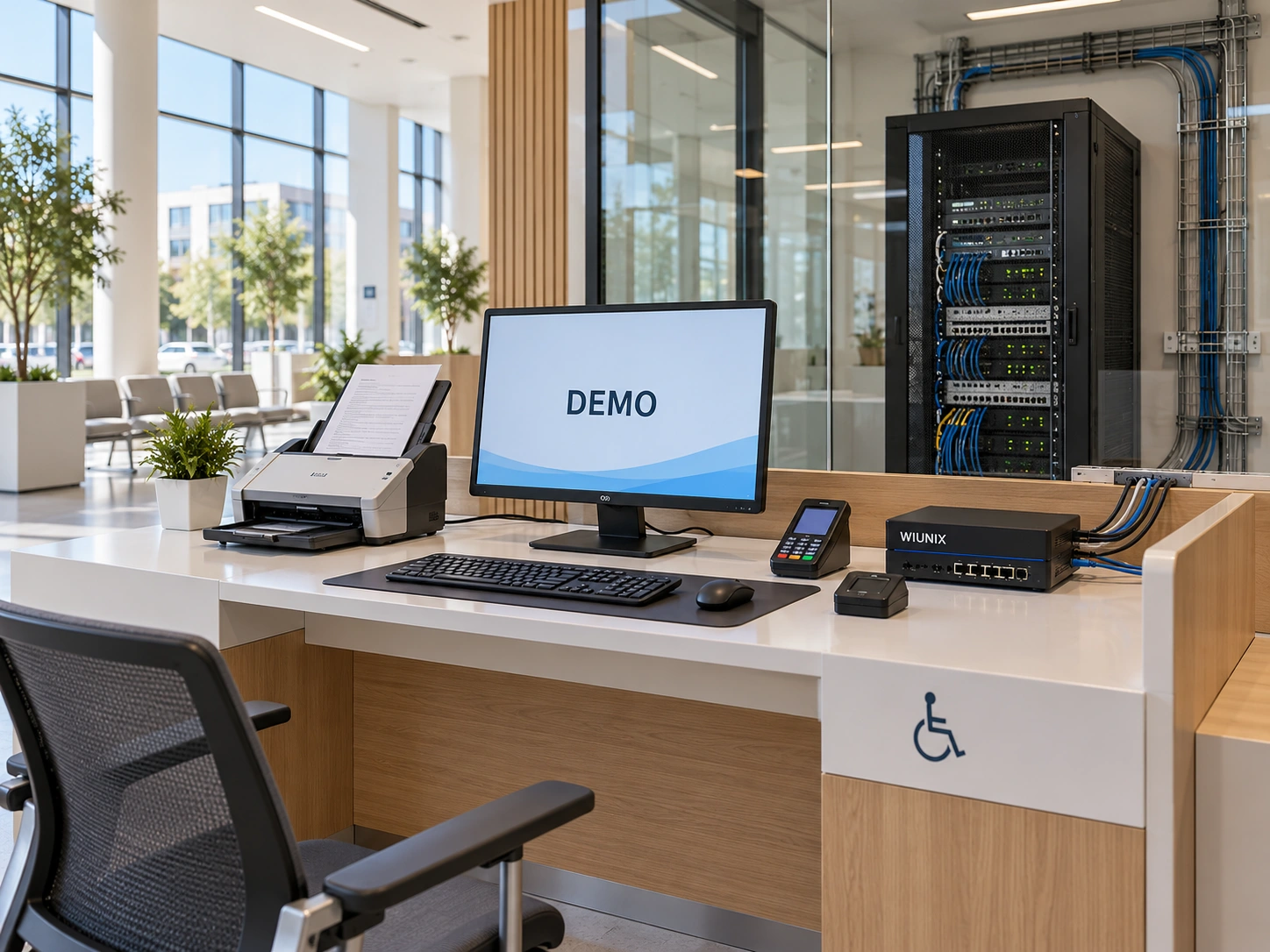

BEFORE SELECTING A PLATFORM
The same component can carry different consequences.
A database outage can delay a retail order, interrupt a financial workflow or remove access to a care record. The technology label alone does not tell you the priority. Describe the service users, critical dependencies and acceptable interruption for each workload.
Turn constraints into design inputs
Bring data-handling rules, provider contracts, access approvals, change windows and recovery objectives into the discussion. Where regulation applies, your legal or compliance owner confirms the applicable obligations; engineering supports the agreed controls and evidence.
CHOOSE THE ENGINEERING WORK
Connect the sector context to a clear scope.
The industry page frames the operating problem. Service pages explain the engineering disciplines; solution pages connect work across them. A product is selected only when its actual purpose and prerequisites fit.
Build or connect systems
Review infrastructure and cloud architecture, software and APIs, access controls or communications integration according to the affected service.
Explore engineering services →Communications & Voice →

Scope and industry requirements
These are engineering contexts, not a list of customer endorsements. Each sector introduces different dependencies, access decisions and service-continuity questions; the detailed scope follows your actual environment.
Industry context does not establish certification, regulatory approval, a service-level commitment or support for every specialist system. Those requirements must be assessed and agreed explicitly.
For a first discussion, share the service purpose, users, systems and constraints. Keep credentials and sensitive records out of the contact form.